 Biohacking QuestBiohacking Quest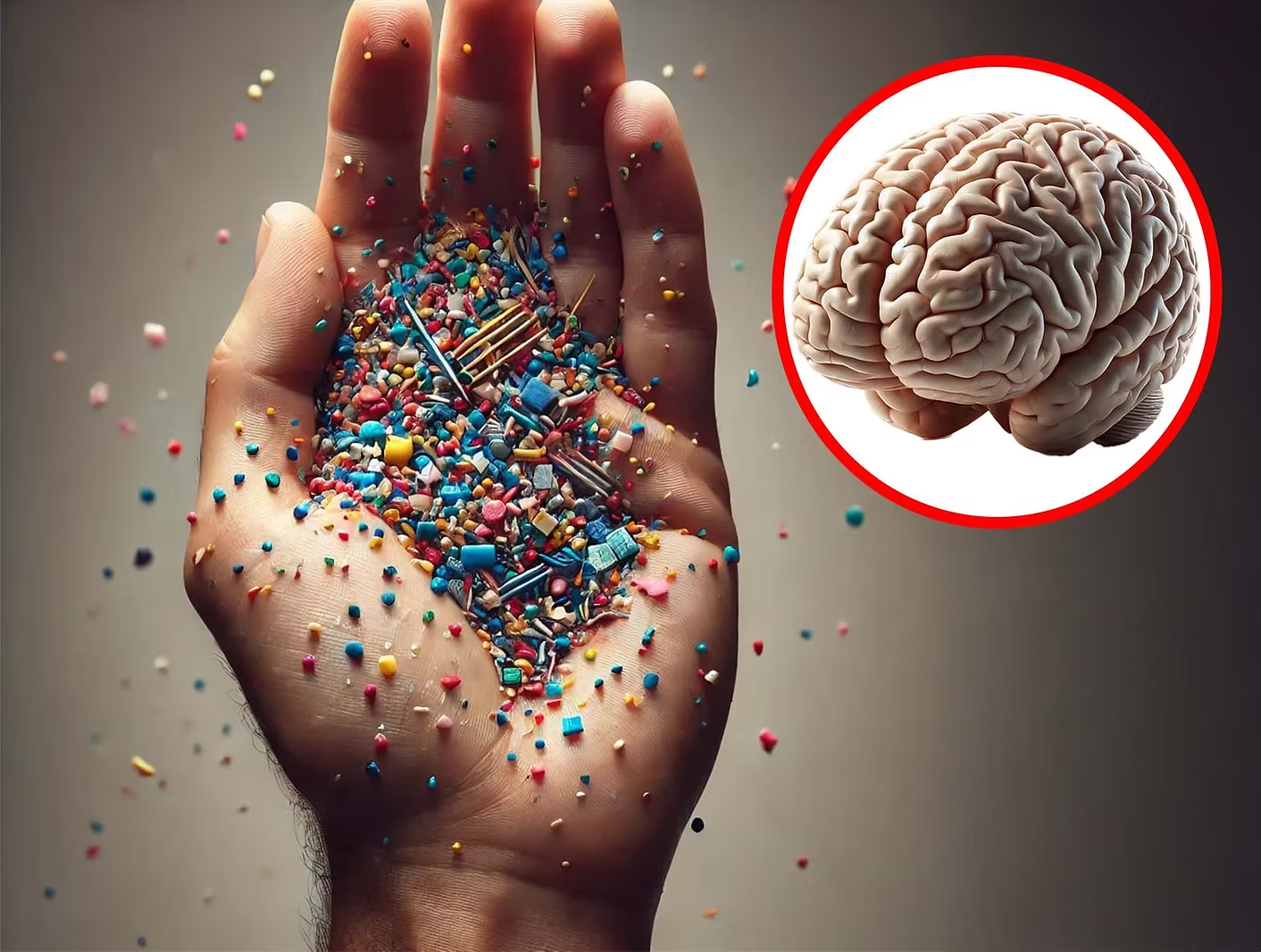
New research confirms microplastics (MNPs) can infiltrate brain tissue, raising serious concerns about plastic contamination and neurological health.
A Spoonful of Plastic
The average human brain contains 7 milligrams of plastic, about the weight of a small plastic spoon.
People diagnosed with dementia had up to 10 times more microplastics in their brains.
The most common plastics found are used in food packaging, plastic bottles, and synthetic textiles.
"...an entire generation of our children who are basically swimming around in a toxic soup..."
Biohack Yourself Report on Environmental Toxins
A study from Rutgers University found that bottled water may contain hundreds of thousands of plastic particles per liter, much higher than previously estimated.
Researchers warn that regular consumption of bottled water could significantly increase the amount of plastic humans ingest daily. Scientists believe particles enter the brain through the bloodstream, as they are small enough to pass the blood-brain barrier.
These disruptions could potentially impact brain function, including memory and motor skills.
Use advanced filtration systems
Avoid plastic food storage
Choose cotton over synthetics
Avoid polyethylene & PET
The discovery of microplastics in human brain tissue adds to growing concerns about plastic pollution. While research continues, experts stress the importance of limiting plastic exposure and implementing better waste management strategies.
Join thousands of biohackers taking control of their environmental exposure



Follow BioHacking Quest across platforms for cutting-edge insights on longevity, performance, and advanced biohacking.
BioHacking Quest is your gateway into a global community of high performers, innovators, and health pioneers. From deep-dive interviews to practical protocols, each platform gives you a different way to engage.
"Tap into the latest biohacking tools, protocols, and breakthroughs—curated for people who refuse to age on autopilot."
— BioHacking Quest Team
Choose your favorite platform—or follow all of them—to stay updated on new episodes, live events, and real-world case studies in peak performance and longevity.
One brand. Multiple touchpoints. Choose how you want to plug into the BioHacking Quest ecosystem.
New content drops regularly across all channels. Plug in wherever you spend the most time and never miss a breakthrough.
From "6-Pack Lolli" to Media Visionary United States
Anthony's personal journey was just the beginning. Now, as President of Lolli Brands Entertainment, he's leading a global health movement.
"‘Biohack Yourself’ is medical freedom. It's a promise to cut through the noise, the misinformation, and the chaos."
— Anthony Lolli
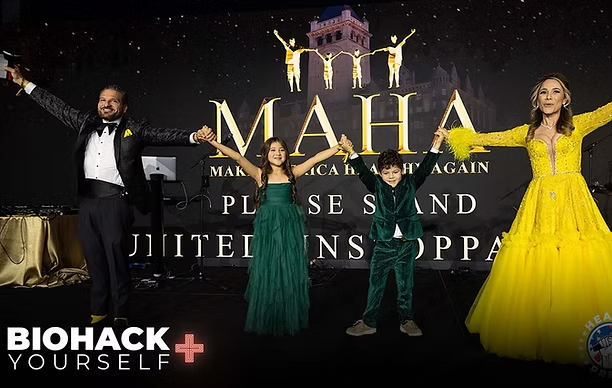
His sold-out "Oscars of Longevity" red carpet event brought together icons like Dave Asprey, Gary Brecka, and Ben Greenfield to ignite a health revolution.
Experience Anthony's incredible journey across multiple platforms.
Dave Asprey
Gary Brecka
Ben Greenfield
Anthony Lolli
New research reveals a "spoon's worth" of plastic in our brains. Here’s what you need to know.